Tattooing is permanent, which makes choosing an artist a different kind of shopping than almost anything else. Price and convenience matter, but they rank below three things that protect both the artwork and your health: the shop operates under proper permits, the artist's healed work looks good, and the cleanliness practices are visible rather than promised. North Carolina's current tattoo laws exist largely because artists themselves pushed for standards in the mid 1990s to drive unregulated home tattooing, the scratchers working from kitchens and garages, out of the trade.
Permits and clean practice
In North Carolina, tattoo artists work under permits issued through the state health authorities' environmental health system, administered locally. A legitimate shop can show its permitting, uses single use needles opened in front of you, works with gloves, barriers on surfaces, and disinfected stations, and will answer questions about its sterilization and setup without defensiveness. These are baseline expectations, not extra credit.
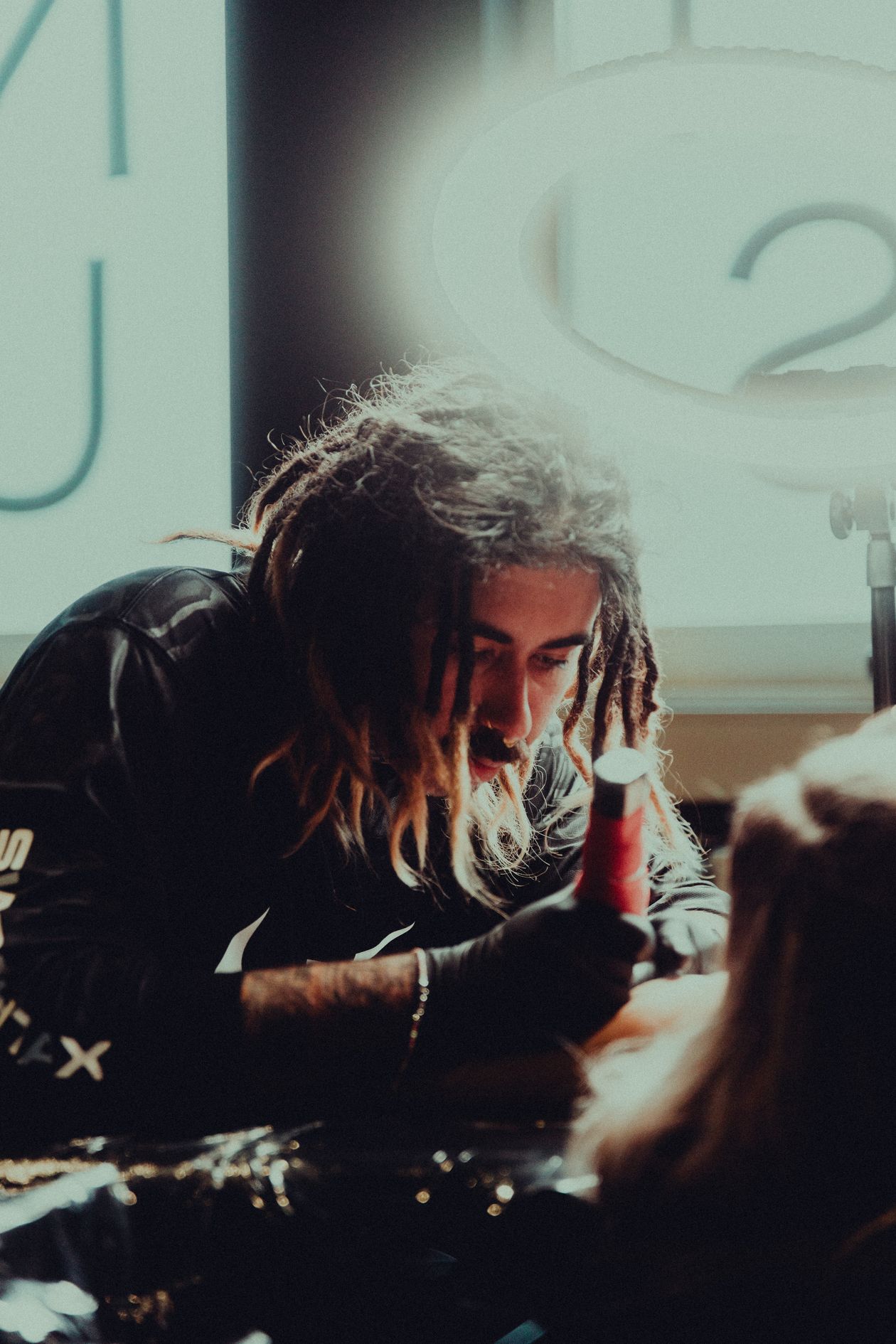
Watch the small moments: hand washing, fresh gloves after touching anything outside the setup, and a station broken down and cleaned between clients. A shop that is casual about those details in front of you is casual about them when nobody is watching too.
Reading a portfolio properly
Look for healed work, not just fresh photos. Fresh tattoos are swollen, saturated, and flattering; healed photos at a year or more show true line quality, how color settled, and whether shading stayed smooth. Look for the style you want specifically: an artist brilliant at bold traditional work may not be the right hand for fine line botanical pieces, and good artists will say so and point you to a colleague whose style fits.
Consistency matters more than one spectacular piece. Ten solid, clean tattoos in a portfolio tell you more about your likely result than a single masterpiece surrounded by shaky work.
Red flags and good signs
Walk away from anyone tattooing without a permit, from a home setup offered casually, from prices that seem to assume no overhead for safety, or from an artist who agrees to copy another artist's custom piece exactly or refuses to discuss how a design will age. Good signs are the opposite: honest sizing advice, a consultation before a big piece, written aftercare handed to you without being asked, and an artist who would rather reschedule than tattoo sunburned, broken, or intoxicated skin.
The consultation tells you the rest
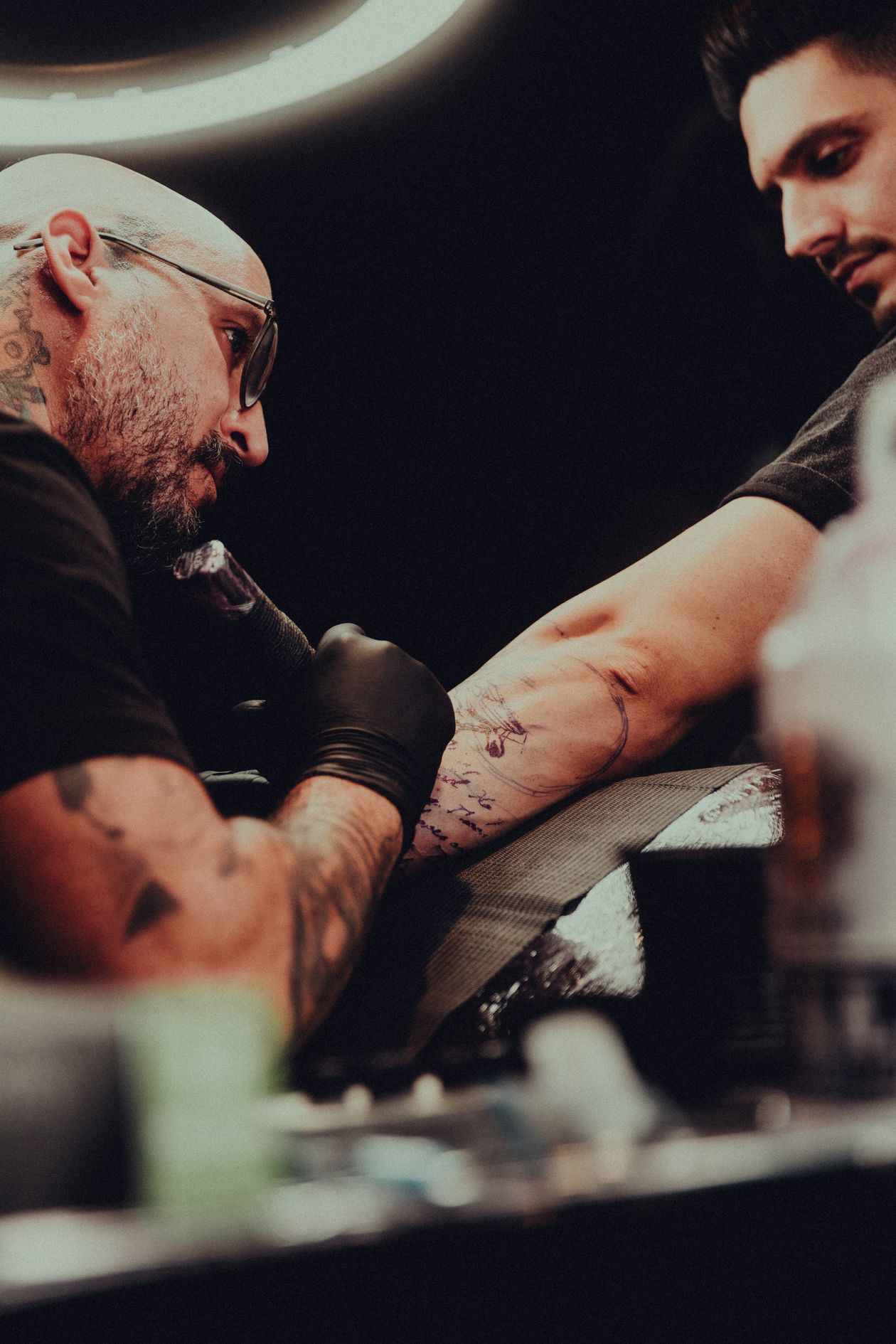
Book a consultation for anything beyond a small walk in piece and treat it as an interview in both directions. A professional artist will ask what the tattoo means to you, discuss placement and size with aging in mind, be candid about what their style does best, and quote the work clearly, including deposit terms. They will also refuse some requests: tattooing minors, copying a living artist's custom work, or placing a design where it cannot age well without telling you first. Each refusal is evidence of standards, not inconvenience.
Notice the shop as a whole while you are there. Flash and artwork on the walls, a portfolio you can browse, a waiting area that is a waiting area and not the workspace, aftercare sheets printed and ready: these are the habits of a business that expects to be inspected by its customers. Mooresville has had a studio on Main Street since 1995, from the era when the state's standards were first being written, and longevity like that is itself a data point: shops that cut corners on safety or quality do not usually get decades to do it in.
Trust the pace of the decision. Small walk in tattoos can be same day decisions at a reputable shop. Large custom work should never be: consultation, drawing, a night to sit with it, then the appointment. An artist who encourages that pace for a big piece is showing you their priorities in the clearest way available. Your skin keeps the result either way, so let the process take the time the permanence deserves.
Common questions
Is it rude to ask about permits and sterilization?
No. Professional artists expect the question and answer it easily. Resistance or mockery in response to a basic safety question is itself an answer.
Should I choose by price?
Choose by healed portfolio and clean practice first. A cheap tattoo that needs a cover up later is the most expensive kind, and removal costs far more than good work ever does.
What if the artist I want is booked out?
For permanent work, waiting for the right artist is normal and wise. Use the wait to finalize the design and placement rather than settling for whoever is free today.
Photos in this guide are representative stock images.
← All guides from Anythings Possible← Back to Anythings Possible