Almost everyone remembers their first tattoo appointment in more detail than their fifth, because everything about it is unknown: how much it hurts, how a design gets from an idea to your skin, and what you are supposed to do before, during, and after. The process at a professional studio is orderly and predictable once you have seen it laid out, and most first timers say afterward that the anticipation was the biggest part of it.
From idea to design
Start with the idea and its meaning, then think about placement and size honestly. Fine detail needs room; a design crammed too small loses its lines as the ink settles over the years. Placement affects both pain and daily life: areas over bone and thin skin, like ribs, feet, and the inner wrist, tend to hurt more than the outer arm or thigh, and a visible placement is worth a serious thought about workplaces and your own long term taste.
Bring reference images to a consultation. References are not for copying another person's tattoo exactly; they show an artist the style, line weight, and mood you mean when words fall short. A good artist will redraw the design for your body and tell you plainly if a detail will not age well at the size you want.
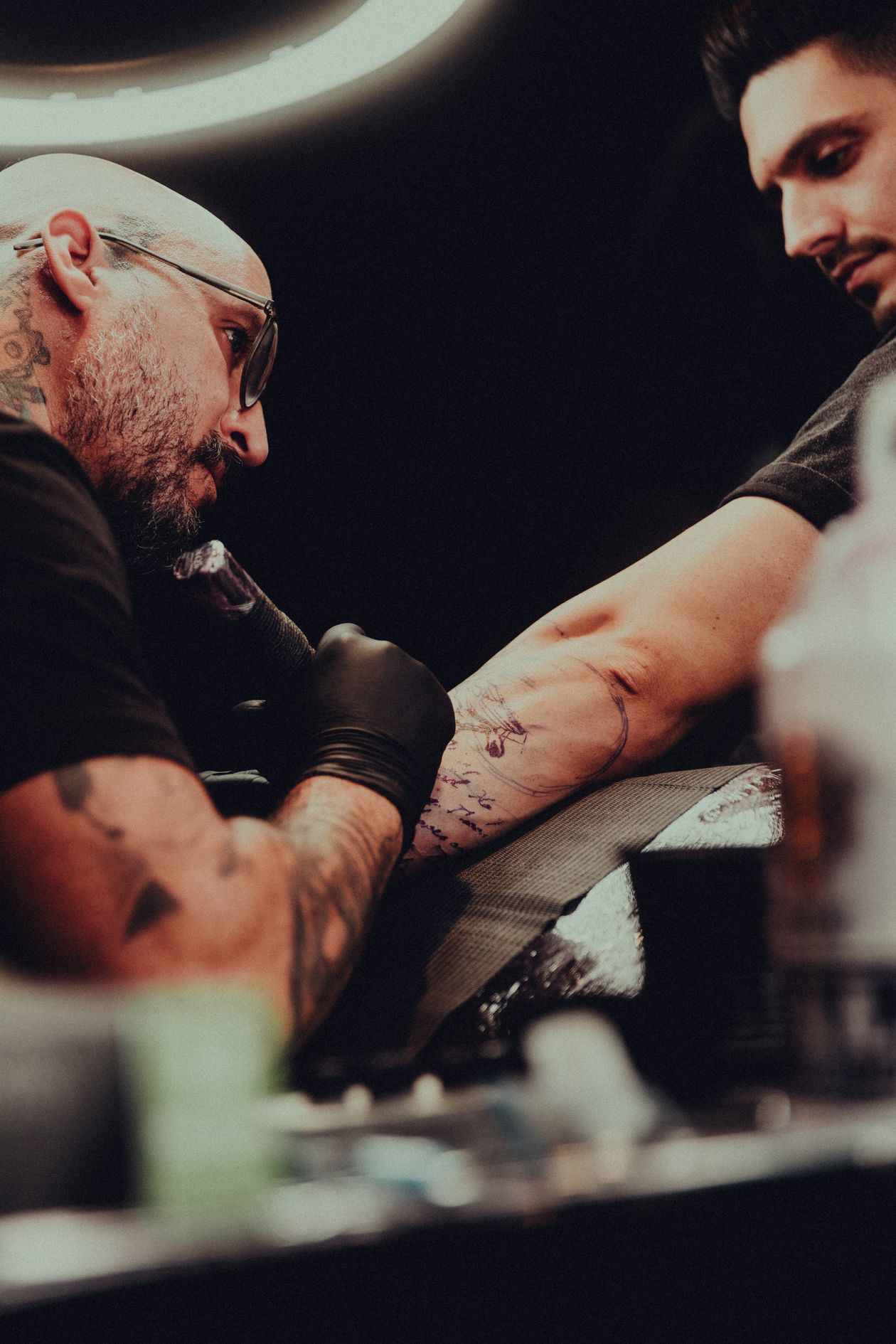
The day itself
Eat a real meal beforehand, hydrate, and skip alcohol the night before and the day of: alcohol thins the blood and makes the work harder and the healing messier. Wear clothing that gives easy access to the area and that you do not mind getting ink on. Bring identification; reputable studios in North Carolina tattoo only adults, and piercing and tattoo work here is regulated through local health department permitting, which is one of the first things a legitimate shop will be able to show you.
At the chair, the artist cleans and shaves the area if needed, applies a stencil, and asks you to check placement in a mirror. Speak now if it sits wrong; moving a stencil takes a minute, moving a tattoo is not an option. During the session, the sensation is most often described as a persistent scratching or sunburn like sting that the body adjusts to after the first minutes. Tell the artist if you feel faint, hot, or unwell; short breaks are normal and no artist wants a client pushing through dizziness.
After the chair
You leave with a bandage, aftercare instructions, and a piece that will look bold and slightly swollen for the first day or two. Follow the written aftercare rather than a friend's folklore, keep the follow up in mind, and judge the healed result at about six weeks. If a touch up is needed after healing, that conversation is a normal part of the trade, not a complaint.
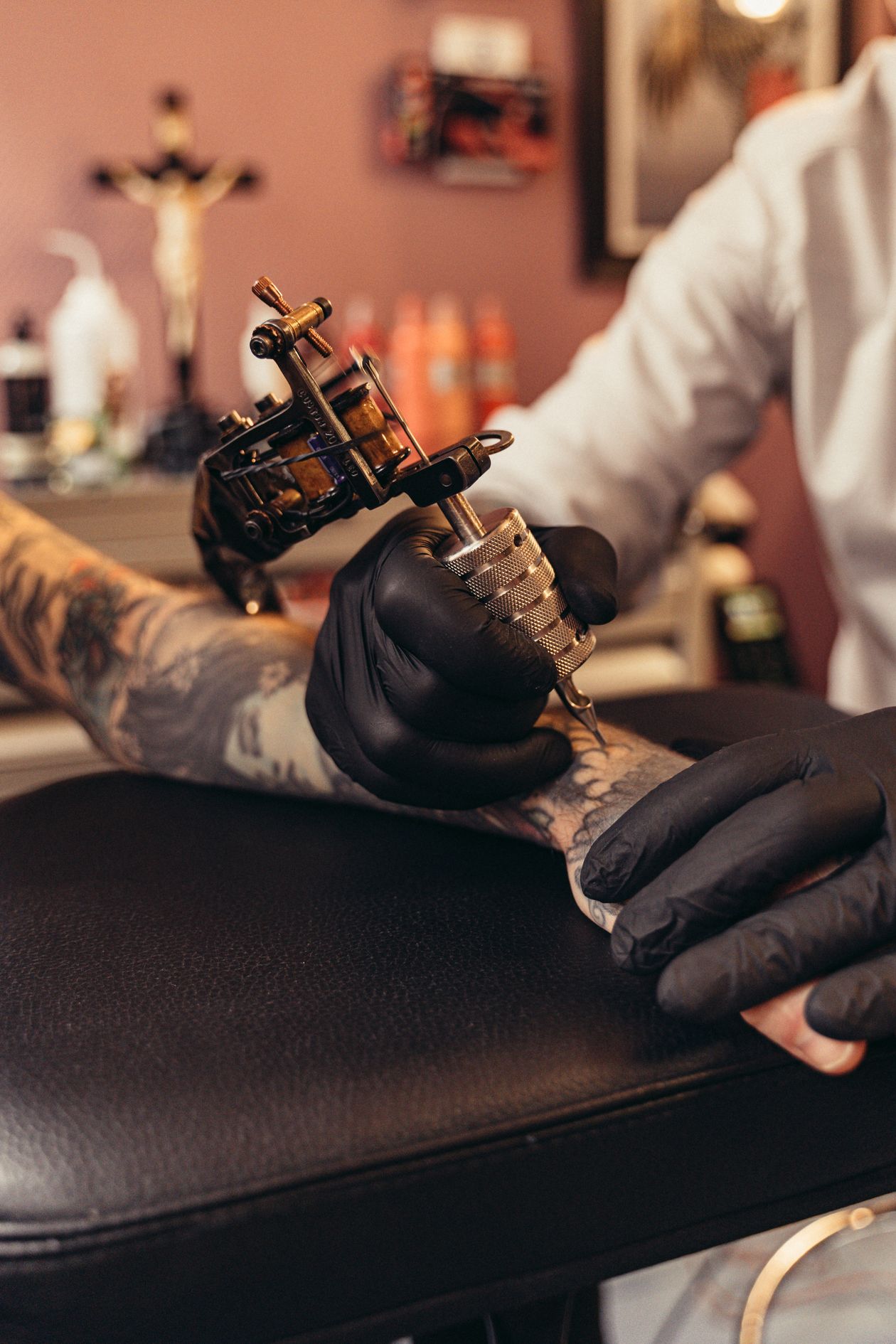
- Bring references. Images that show the style and mood you want.
- Consult and size it. Let the artist scale the design so it ages well.
- Prepare the day before. Sleep, hydrate, no alcohol, protect skin from sun.
- Check the stencil. Use the mirror and speak up before ink starts.
- Follow written aftercare. Bandage timing, gentle washing, thin moisturizer.
Cost, deposits, and why artists charge for drawings
Custom work usually begins with a consultation and a drawing, and many studios take a deposit that applies to the final session. That structure protects both sides: the artist's drawing time is real work, often hours for a large piece, and your deposit reserves chair time that cannot be resold at the last minute. Price is quoted by the piece for smaller work or by session for large projects, and the honest way to discuss it is at the consultation, with the design and size in front of both of you, not as a guess over the phone.
Tipping follows tattoo culture norms: it is customary and appreciated, scaled to the work and the experience, and it is part of how most people budget a larger piece. What should never happen is pressure in the chair to enlarge a design beyond the agreed plan. A studio that respects the consultation agreement, the quoted scope, and your stencil approval is a studio behaving the way the trade expects.
Common questions
How do I pick a design I will not regret?
Choose something whose meaning does not depend on a moment, give it size enough to age well, and sit with the final design for a few days before the appointment. Rushing is the common thread in most regret stories.
Can I bring a friend?
Studios vary, and space in the work area is limited. Ask when you book; a calm friend is usually welcome in the waiting area at least, and sometimes at the chair.
What should I avoid before the appointment?
Alcohol, sunburn on the area, and showing up hungry or exhausted. Fresh sunburned skin cannot be tattooed, so keep the area out of the sun in the days before.
Photos in this guide are representative stock images.
← All guides from Anythings Possible← Back to Anythings Possible